


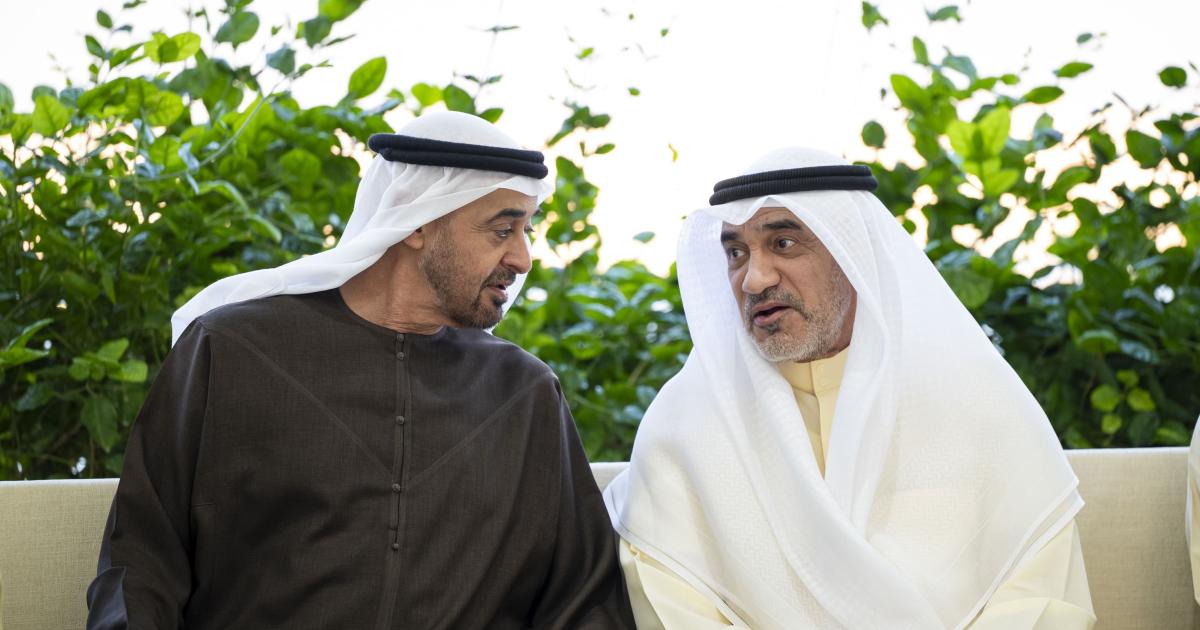
The meeting between UAE President Sheikh Mohamed bin Zayed Al Nahyan and Kuwait’s First Deputy Prime Minister and Minister of Interior Sheikh Fahad Yusuf Saud Al-Sabah underscores the vital importance of strengthening العمل الخليجي المشترك (Gulf joint action) for the benefit of all nations and people within the Gulf Cooperation Council (GCC). This recent dialogue, held at Al Bahr Palace in Abu Dhabi, emphasized the deep-rooted fraternal ties between the two countries and a shared commitment to fostering development and prosperity. It’s a testament to the enduring spirit of collaboration that defines the relationship between the UAE and Kuwait, and a signal of its ongoing relevance to regional stability and progress.
تعزيز الروابط الأخوية وتطوير التعاون الثنائي (Strengthening Fraternal Ties and Developing Bilateral Cooperation)
The core of the discussion revolved around nurturing the historical brotherhood between the UAE and Kuwait. Sheikh Fahad Yusuf Saud Al-Sabah conveyed the greetings of Kuwait’s Amir Sheikh Mishal Al-Ahmad Al-Jaber Al-Sabah to Sheikh Mohamed bin Zayed, and expressed wishes for continued progress and prosperity for the UAE. He specifically thanked the UAE for initiating a celebration of Emirati-Kuwaiti relations, commencing January 29th, recognizing it as a powerful symbol of the strong fraternal bonds. This gesture underscores the significance both nations place on maintaining a close and supportive relationship.
Sheikh Mohamed bin Zayed reciprocated with his greetings to the Kuwaiti Amir and sincere hopes for Kuwait’s continued growth and flourishing under his wise leadership. The President also reaffirmed the historical position of Kuwait as a steadfast supporter and ally. His recent post on “X” explicitly called upon Emirati society and institutions to celebrate the decades-long fraternal relationship with Kuwait for a week, starting on January 29th, emphasizing that honoring Kuwait is a deeply felt obligation.
تاريخ من الدعم والمساندة (A History of Support and Solidarity)
Prior to the formation of the UAE in 1971, Kuwait played a crucial role in supporting the nascent emirates. This support continued after the union, solidifying Kuwait’s role as a reliable partner. As Sheikh Mohamed bin Zayed noted, Kuwait was a “backbone” both before and after the establishment of the UAE, and this supportive stance endures to this day. This historical foundation of trust and mutual assistance forms a strong basis for present and future cooperation.
أهمية العمل الخليجي المشترك لتحقيق الاستقرار والازدهار (The Importance of Gulf Joint Action to Achieve Stability and Prosperity)
The meeting powerfully reiterated the أهمية العمل الخليجي المشترك (importance of Gulf joint action). Increasingly, regional challenges – economic diversification, security threats, and global shifts – demand a unified approach. Independent action, while sometimes necessary, is less effective in addressing these complex issues than coordinated efforts amongst GCC members. Strengthening this collaboration isn’t merely a political goal; it’s fundamental to the economic and social well-being of the region’s citizens.
This shared vision is crucial for realizing the full potential of the GCC and ensuring a secure and prosperous future for all its members. Focusing on integrated projects and harmonized policies creates a more resilient and dynamic economic bloc. The focus on تنمية المنطقة (regional development) highlights the shared aspiration for improvement in the quality of life and opportunity for all citizens.
الشراكات الاقتصادية المتنامية (Growing Economic Partnerships)
The relationship between the UAE and Kuwait isn’t limited to political and fraternal ties. It’s deeply rooted in robust and growing economic partnerships spanning numerous vital sectors. Both countries share a realization of the need for تنويع مصادر الدخل (diversifying income sources), moving beyond a dependence on oil revenue. Areas of collaboration include investment, infrastructure development, tourism, and financial services. Such ventures are not only beneficial bilaterally but also contribute to the broader diversification goals of the entire GCC region.
جذور دبلوماسية وعلاقات راسخة (Diplomatic Roots and Established Relations)
Kuwait was among the first nations to establish formal diplomatic relations with the UAE following its formation in 1971. The opening of the Abu Dhabi embassy in Kuwait City in 1972 symbolized the immediate recognition and prioritization of the new union. This early diplomatic overture laid the groundwork for the decades of close collaboration that followed.
However, the connection stretches beyond formal diplomacy. Strong social ties, shared cultural heritage, and close people-to-people links bolster the official relationship. The announced week-long celebration of UAE-Kuwaiti ties underscores the deep connection that exists at all levels of society.
الخلاصة: نحو مستقبل مشرق من خلال الوحدة (Conclusion: Towards a Bright Future Through Unity)
The recent meeting between Sheikh Mohamed bin Zayed and Sheikh Fahad Yusuf Saud Al-Sabah stands as a strong affirmation of the enduring partnership between the UAE and Kuwait. It also serves as a potent reminder of the العمل الخليجي المشترك (Gulf joint action) and its necessity. Recognizing the أهمية العمل الخليجي المشترك (importance of Gulf joint action), the commitment to strengthening bilateral cooperation, diversifying economies, and addressing regional challenges collectively will pave the way for a more secure, stable, and prosperous future for the entire GCC. The upcoming celebration of Emirati-Kuwaiti relations represents not just a look back at decades of friendship, but a renewed pledge towards continued collaboration in the years to come. We encourage readers to learn more about these vital partnerships and to explore the opportunities for collaboration within the GCC framework.