

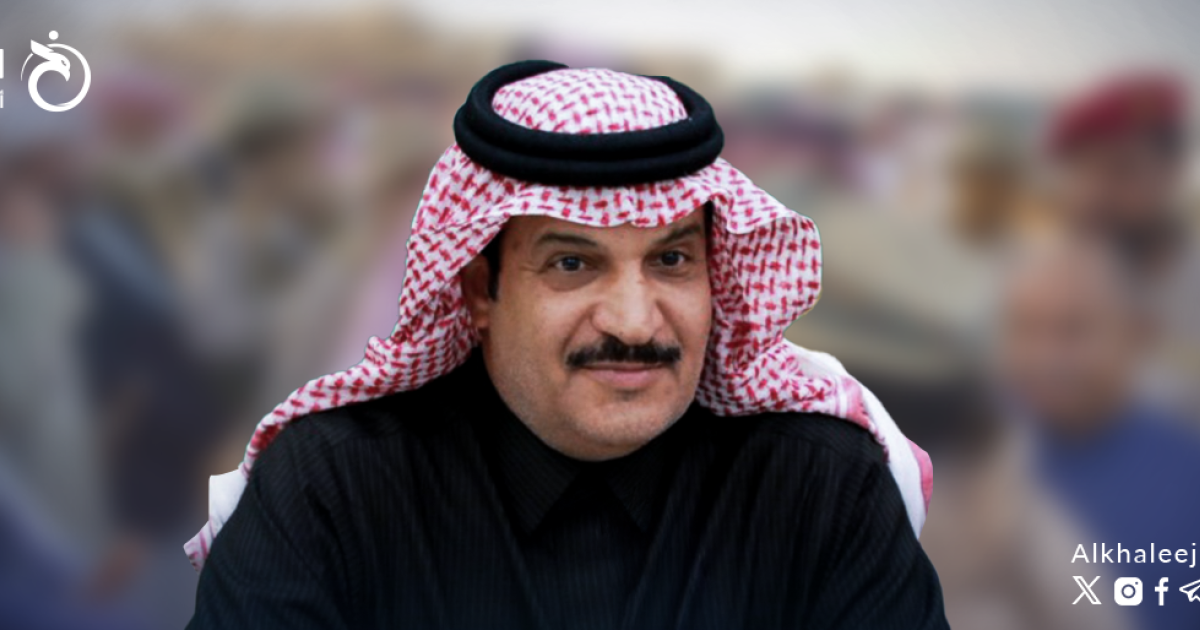
The recent developments in Hadramout Governorate represent a significant geopolitical shift, not only for Yemen but for the entire region. These events have reshaped power dynamics, highlighting the resurgence of the legitimate government and a noticeable strain in the Saudi-Emirati alliance. At the heart of maneuvering through this complex situation was Lieutenant General Dr. Mohammed bin Obaid Al-Qahtani, whose efforts were instrumental in averting a broader conflict and preserving stability. This article will delve into the role of اللواء القحطاني (Lieutenant General Al-Qahtani) in the Hadramout crisis, exploring his actions, influence, and the implications of his involvement.
تصاعد الأزمة في حضرموت (The Escalation of the Crisis in Hadramout)
The past four weeks have witnessed a dramatic escalation of tensions in Hadramout. The emergence of “Security Support Forces,” led by Saleh Sheikh Abu Bakr, known as Abu Ali Al-Hadrami, and their movement towards Wadi and Sahara Hadramout, sparked considerable unrest. Al-Hadrami’s provocative statements towards the people of Hadramout exacerbated the situation, amplified by a substantial influx of weapons, equipment, and fighters from the Southern Transitional Council (STC). This escalating activity threatened to destabilize the country’s largest and resource-rich governorate.
دور اللواء القحطاني في محاولة تجنيب حضرموت الصدام (Lieutenant General Al-Qahtani’s Role in Averting Conflict in Hadramout)
The Saudi kingdom, recognizing the precariousness of the situation, dispatched a delegation headed by اللواء القحطاني to Hadramout on December 3rd, 2024. His mission: to de-escalate the tensions and facilitate a unified stance among Hadramout’s various components. This visit was considered particularly crucial given Al-Qahtani’s position as the head of what is informally referred to as the Saudi Special Committee for Yemen, a role he reportedly assumed in September 2015. He is considered a key expert on Yemeni affairs.
لقاءات مكثفة مع القيادات المحلية والقبلية (Intensive Meetings with Local and Tribal Leaders)
Upon arrival, اللواء القحطاني immediately initiated a series of meetings with local authorities, tribal leaders, security and military commanders, scholars, and mediators. The goal was clear: to achieve stability through dialogue and mutual understanding. He emphasized the Kingdom’s unwavering support for Yemen’s stability and underscored the critical importance of Hadramout’s security, citing its deep historical and social ties to Saudi Arabia.
اتفاق التهدئة الفاشل (The Failed Ceasefire Agreement)
The Saudi delegation successfully brokered a preliminary agreement for de-escalation between local authorities and Hadramout’s tribal alliance. Unfortunately, the STC rejected the agreement, choosing to escalate the situation further with an incursion into Wadi and Sahara Hadramout, ultimately reaching the Al-Wadi’a border crossing with Saudi Arabia. This action signaled a decisive shift from diplomacy towards a tougher approach from the Kingdom.
التحول في الموقف السعودي والتدخل المباشر (The Shift in Saudi Stance and Direct Intervention)
As the STC’s military movements intensified, the tone of warnings from the Saudi delegation, led by اللواء القحطاني, became more assertive. He firmly stated that the Kingdom would not tolerate chaos in Hadramout and reiterated their commitment to preventing violence. He specifically demanded the withdrawal of all forces that had entered Hadramout from outside the governorate, with the STC forces being the primary target of this demand. These warnings, however, went unheeded.
The situation culminated in widespread clashes, culminating in the STC’s advance toward and seizing of key locations, including the Al-Wadi’a border crossing. This prompted a direct military intervention by Saudi Arabia, effectively paving the way for the restoration of government control over Hadramout and Mahra. Al-Qahtani’s efforts in unifying the tribes were essential in preparing the ground for this intervention.
شهادة الخبراء: الدور المحوري للقحطاني (Expert Testimony: Al-Qahtani’s Pivotal Role)
The impact of اللواء القحطاني‘s involvement has been widely acknowledged. Yemeni writer and political analyst, Ali Al-Bukaiti, emphasized the crucial role played by Al-Qahtani and Saudi Ambassador Mohammed Al-Jaber in thwarting a plan to plunge Hadramout and Mahra into chaos, under the direct supervision of Saudi Defense Minister Prince Khalid bin Salman. Al-Bukaiti highlighted Al-Qahtani’s direction of military operations, with careful coordination to minimize civilian casualties and infrastructure damage. A circulating audio recording of Al-Qahtani inquiring multiple times about the status of the port of Mukalla, specifically confirming it was clear of civilians before potential action, exemplifies his concern for civilian lives.
Al-Bukaiti further described how this situation concurrently disrupted a potential Houthi offensive towards Marib, Taiz, and Al-Mukha, stopping a similar scheme being carried out in Sudan and Somalia. He characterized Al-Qahtani’s presence as a clear signal that Saudi Arabia’s diplomatic patience had run out and that decisive action was necessary.
تداعيات تدخل السعودية (Implications of Saudi Intervention)
The events in Hadramout have undeniably strained the relationship between Saudi Arabia and the UAE, as the latter was perceived to be backing the STC’s actions. The successful restoration of government authority, facilitated in large part by اللواء القحطاني’s diplomatic and logistical efforts, represents a significant victory for the legitimate Yemeni government and a reassertion of Saudi influence in the region. This intervention reportedly led to the downfall of Eidarus Al-Zubaidi, the chairman of the STC, and the revocation of his membership.
In conclusion, Lieutenant General Mohammed bin Obaid Al-Qahtani’s role in navigating the Hadramout crisis was demonstrably pivotal. His ability to engage with various stakeholders, mediate effectively, and ultimately lay the groundwork for a decisive intervention has reshaped the political landscape of Yemen and underscored the Saudi Kingdom’s commitment to stability and security in the region. His dynamic approach and focus on minimizing harm while achieving strategic objectives have cemented his position as a key figure in the ongoing Yemeni conflict. The situation remains fluid, but Al-Qahtani’s leadership offers a glimmer of hope for a more stable future for Hadramout and Yemen as a whole.