

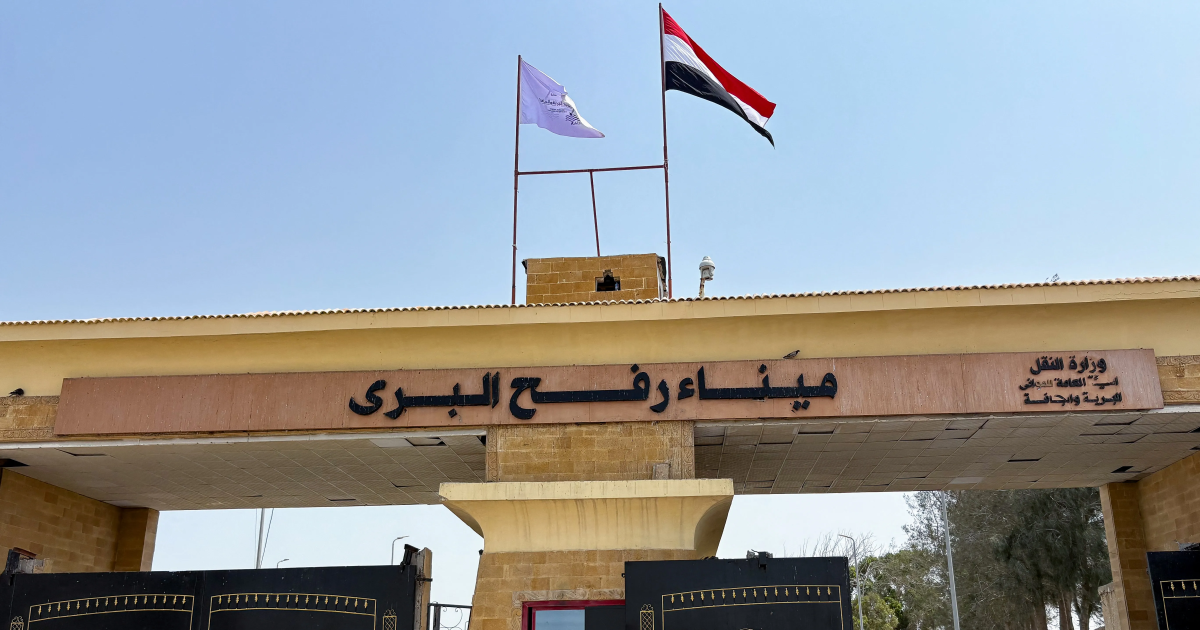
The escalating tensions surrounding the Rafah crossing and the potential displacement of Palestinians have ignited a strong diplomatic response. International concern is mounting over recent statements emanating from Israel regarding the opening of the معبر رفح (Rafah Crossing) for one-way passage of Gazan residents into Egypt. This article delves into the joint statement issued by several key Arab and Islamic nations, Egypt’s firm stance against forced displacement, and the broader implications for the region’s stability and the ongoing peace process.
بيان مشترك يدين محاولات فتح معبر رفح باتجاه واحد (Joint Statement Condemns Attempts to Open Rafah Crossing Unilaterally)
On December 5th, 2025, ministers of foreign affairs from Saudi Arabia, Egypt, Jordan, the United Arab Emirates, Indonesia, Pakistan, Turkey, and Qatar released a strongly worded joint statement expressing “grave concern” over Israel’s announced intention to open the معبر رفح solely for the exit of Gaza residents into Egypt. The statement unequivocally rejects any attempts to displace the Palestinian people from their land, emphasizing adherence to the previously agreed upon framework for the crossing.
This framework, originating from the plan presented by former U.S. President Donald Trump, mandates a two-way operation of the معبر رفح, ensuring the free movement of people and preventing forced relocation. The ministers underscored the importance of creating conditions conducive to the safe and dignified stay of Palestinians in their homeland, allowing them to participate in rebuilding their lives and communities.
الموقف المصري الثابت: رفض التهجير بأي شكل (Egypt’s Firm Stance: Rejection of Displacement in Any Form)
Egypt has consistently and vehemently opposed any attempts to turn the معبر رفح into a conduit for mass Palestinian displacement. Cairo has firmly denied any coordination with Israel regarding a one-way opening of the border, reiterating its unwavering commitment to rejecting forced displacement as a “red line” and a direct threat to its national security.
The Egyptian government views the potential for displacement as a deliberate attempt to destabilize the region and undermine the Palestinian cause. This position is rooted in a long-standing policy of supporting Palestinian self-determination and maintaining the demographic integrity of the Gaza Strip. Furthermore, Egypt fears that accepting a large influx of refugees could exacerbate existing socio-economic challenges and potentially fuel regional instability.
تصريحات إسرائيلية متضاربة وتأكيد القاهرة على موقفها (Conflicting Israeli Statements and Cairo’s Reaffirmation of its Position)
The situation has been further complicated by conflicting statements from Israeli officials regarding the arrangements for opening the crossing and the possibility of facilitating Palestinian departures under European supervision. However, Egypt has consistently maintained its firm stance, emphasizing that the معبر رفح will not be used for the expulsion of residents from Gaza. This unwavering position signals Egypt’s determination to play a crucial role in preventing a humanitarian catastrophe and upholding the rights of the Palestinian people.
تداعيات خطة فتح معبر رفح على عملية السلام (Implications of the Rafah Crossing Plan on the Peace Process)
The ministers’ statement also reiterated their appreciation for former President Trump’s commitment to achieving peace in the region. They stressed the importance of fully implementing his plan, including the two-way operation of the معبر رفح, to facilitate the resumption of a viable peace process.
The statement further called for a complete and sustained ceasefire, an end to the suffering of civilians, and the unimpeded entry of humanitarian aid into Gaza. It also highlighted the need for early recovery efforts, reconstruction initiatives, and the restoration of the Palestinian Authority’s responsibilities in the Gaza Strip, paving the way for a new era of security and stability.
Additionally, the ministers affirmed their commitment to coordinating with the United States and other regional and international stakeholders to ensure the full implementation of UN Security Council Resolution 2803 and related resolutions. This resolution, and others like it, aim to achieve a just and comprehensive peace based on international law and the two-state solution, guaranteeing the establishment of an independent Palestinian state on the borders of June 4, 1967, with East Jerusalem as its capital. The potential opening of the معبر رفح in a manner that disregards these principles directly undermines these efforts.
خلفية الاتفاق الأخير وعدد الضحايا (Background of the Recent Agreement and the Number of Victims)
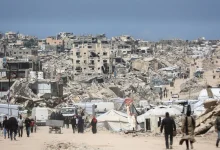
The current debate surrounding the معبر رفح follows the implementation of a ceasefire agreement in October between Israel and Hamas. This agreement was intended to end the devastating Israeli offensive that resulted in over 70,000 Palestinian fatalities and approximately 171,000 injuries. While the ceasefire brought a temporary respite from violence, the underlying issues remain unresolved, and the threat of renewed conflict looms large. The future of the Rafah crossing is intrinsically linked to the long-term stability of the region and the prospects for a lasting peace.
In conclusion, the joint statement from key Arab and Islamic nations, coupled with Egypt’s resolute opposition, sends a clear message that the forced displacement of Palestinians is unacceptable. The focus must remain on achieving a comprehensive and just peace based on international law, the two-state solution, and the full implementation of agreed-upon frameworks, including the two-way operation of the معبر رفح. Continued diplomatic pressure and a commitment to addressing the root causes of the conflict are essential to prevent further escalation and ensure a future of security and stability for all. Readers are encouraged to follow developments on this critical issue and engage in constructive dialogue about potential solutions.