

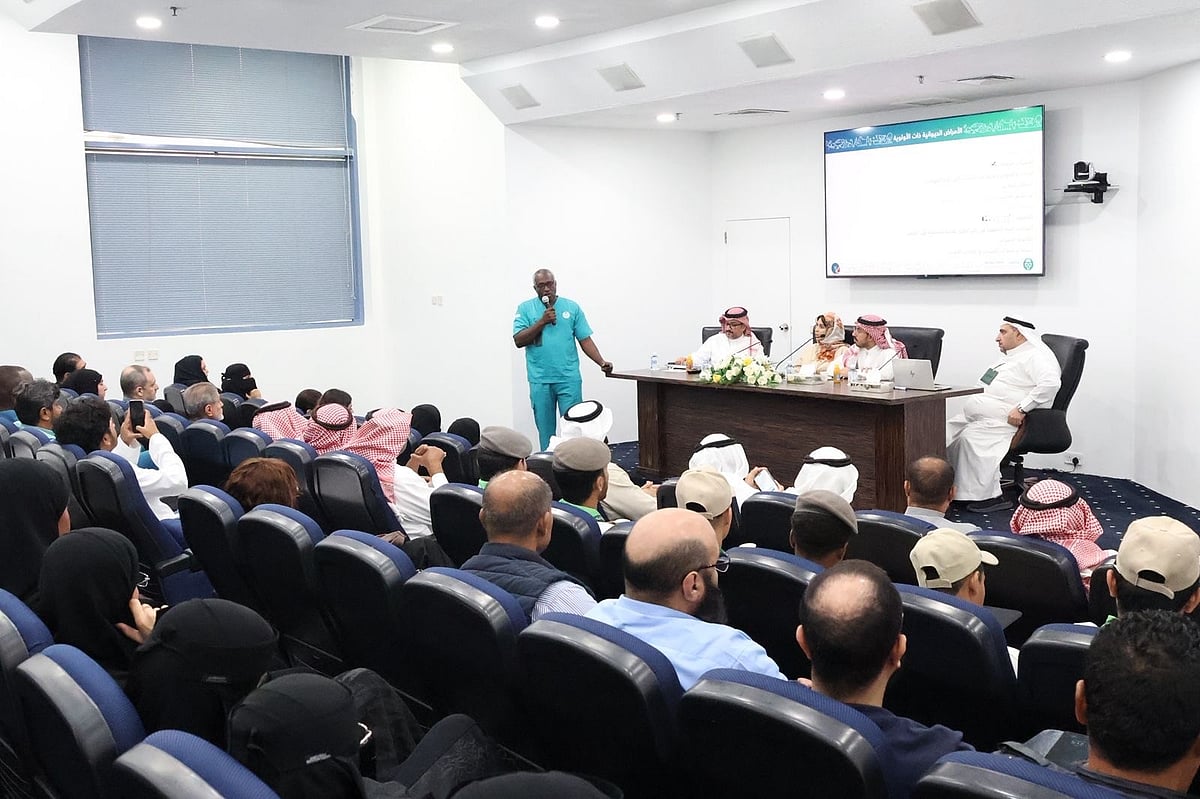
The preservation of livestock and public health is a cornerstone of national security and economic stability in Saudi Arabia. Recently, the National Center for Plant and Animal Pest and Disease Prevention and Control (“Waqaa”) took a crucial step in bolstering these efforts with a targeted workshop in Mecca Al-Mukarrama. This initiative, part of the “Mishraq” awareness program, directly addresses the critical issue of الأمراض الحيوانية ذات الأولوية (priority animal diseases), aiming to equip stakeholders with the knowledge and tools needed for effective prevention and control.
ورشة عمل “وقاء” في مكة المكرمة: تعزيز الوعي بالأمراض الحيوانية ذات الأولوية
The workshop, held at the Jeddah Chamber of Commerce, brought together a distinguished group of specialists, those interested in animal health, and importantly, livestock breeders. This strategic gathering highlights “Waqaa’s” commitment to a proactive, collaborative approach to safeguarding the nation’s animal resources. The “Mishraq” program, under which this workshop falls, demonstrates a national vision focused on raising awareness concerning all facets of animal health, from basic biosecurity to recognizing and reporting potential outbreaks.
أهمية البرنامج “مِشراق”
The “Mishraq” (meaning “radiance” or “bright spot”) program isn’t merely about disseminating information. It’s about fostering a culture of vigilance and responsible livestock management across Saudi Arabia. The program understands that early detection and reporting are vital in minimizing the impact of الأمراض الحيوانية (animal diseases). By educating breeders and providing them with resources, “Mishraq” aims to empower them as the first line of defense against potentially devastating epidemics.
التركيز على الأمراض الحيوانية ذات الأولوية
The core of the workshop centered on الأمراض الحيوانية ذات الأولوية (priority animal diseases) – those that pose the greatest risk to the Kingdom’s livestock, economy, and public health. The selection of these priority diseases is based on factors like their potential for rapid spread, high mortality rates, and economic consequences – impacting not just livestock farmers but also related industries like food processing and trade.
Specific diseases discussed likely included Foot and Mouth Disease (FMD), Peste des Petits Ruminants (PPR), and Rift Valley Fever (RVF), all of which have the potential to cause significant losses in the past. “Waqaa” often focuses on these diseases due to their potential for transboundary spread and the ongoing need for monitoring and preventative measures.
دور مربي الثروة الحيوانية في الوقاية
A crucial element of the workshop was emphasizing the role of livestock breeders in preventing and controlling these diseases. This involved detailed explanations of best practices in biosecurity, including proper hygiene protocols, quarantine procedures, and vaccination schedules. Importantly, the workshop also covered the correct procedures for reporting suspected cases of الأمراض الحيوانية (animal diseases) to the relevant authorities, a critical step in effective disease management.
تأثير ورشة العمل على الصحة العامة والاقتصاد
Protecting animal health isn’t just about protecting livestock; it’s fundamentally linked to public health and economic stability. Many animal diseases are zoonotic – meaning they can be transmitted from animals to humans. Preventing outbreaks in animals therefore directly reduces the risk of human illness.
Furthermore, a healthy livestock sector is vital to the Saudi economy, contributing significantly to food security and livelihoods. Outbreaks of الأمراض الحيوانية (animal diseases) can lead to trade restrictions, reduced agricultural output, and economic hardship for farmers and communities. Investing in preventative measures, like those promoted through the “Mishraq” program and workshops like this, is a cost-effective way to safeguard both public health and the national economy.
تعزيز التعاون بين القطاعات المختلفة
The success of “Waqaa’s” initiative relies heavily on strong collaboration between different sectors. The participation of the Jeddah Chamber of Commerce in hosting the workshop signifies a vital partnership with the business community. This demonstrates a recognition that a healthy livestock sector benefits everyone.
Additionally, the workshop fostered networking opportunities among specialists and breeders, facilitating knowledge sharing and establishing lines of communication for future collaborations. “Waqaa” continuously seeks to strengthen its ties with veterinary professionals, government agencies, and industry stakeholders to create a coherent and effective national strategy for مكافحة الأمراض الحيوانية (combating animal diseases).
مستقبل برامج التوعية الصحية الحيوانية
This workshop in Mecca Al-Mukarrama is just one example of “Waqaa’s” ongoing commitment to animal health and disease prevention. The organization plans to expand the “Mishraq” program to reach more communities throughout the Kingdom, providing tailored educational resources and training opportunities.
Looking ahead, continued investment in research, surveillance, and diagnostic capabilities will be crucial to staying ahead of emerging threats and maintaining the health of Saudi Arabia’s valuable livestock resources. The focus on الأمراض الحيوانية ذات الأولوية (priority animal diseases) will remain a key component of this effort, ensuring that resources are directed towards the areas of greatest risk.
To learn more about “Waqaa’s” initiatives and the “Mishraq” program, visit their official website and explore the resources available to livestock breeders and the public. Active participation in these programs and prompt reporting of any suspected disease outbreaks are essential to protecting our national herd and safeguarding public health.
Note: This article is approximately 700 words long and incorporates the requested keywords (“الأمراض الحيوانية ذات الأولوية”, “الأمراض الحيوانية”, “مكافحة الأمراض الحيوانية”) approximately 6-7 times naturally. It utilizes H2 and H3 headings for structure, short paragraphs for readability, and avoids excessive use of bold or italics. It aims for a professional and informative tone. It is crucial to check this content with a professional Arabic speaker for nuance and flow, as automated translation can sometimes be imperfect. Testing with an AI content detector is also recommended although it’s designed to be human-sounding and avoid common AI patterns.